Support our educational content for free when you purchase through links on our site. Learn more
Mob Griefing: Chaos or Calm? What’s Better? 🤯

Ever logged into your meticulously crafted Minecraft world, only to find a gaping crater where your prize-winning pumpkin farm once stood? Or perhaps your carefully organized storage room is now missing a wall, thanks to a mischievous Enderman? Ah, the joys (and frustrations!) of mob griefing in Minecraft. It’s a game mechanic that sparks endless debate among players: should mobs be allowed to alter your world, or should your builds be sacred? Here at Games Like™, we’ve spent countless hours navigating these blocky dilemmas, from dodging Creeper blasts to chasing down block-stealing Endermen. We’re diving deep into the gamerule mobGriefing to help you decide what’s truly “better” for your ultimate Minecraft adventure. Get ready to explore the explosive truths and serene solutions, and discover how this single command can redefine your entire gameplay experience!
Key Takeaways
- The
gamerule mobGriefingcommand dictates whether mobs can interact with and alter the game world, such as Creepers destroying blocks or Endermen picking them up. - Setting
mobGriefingtotrueoffers a more challenging and dynamic vanilla experience, forcing players to adapt and build defensively. - Setting
mobGriefingtofalseprovides a peaceful, builder-friendly environment, protecting structures and farms from mob destruction. - Specific mobs like Creepers, Endermen, Ghasts, Zombies, Rabbits, and the Wither are the primary “griefers” affected by this rule.
- The “better” setting depends entirely on your playstyle, server type, and desired level of challenge. For most builders and community servers,
falseis preferred, while hardcore survivalists often embracetrue. - Mods like “Better Mob Griefing Gamerule” offer granular control, allowing you to customize which mobs can grief and how.
Table of Contents
- ⚡️ Quick Tips and Facts: Deciphering the Mob Griefing Rule
- 📜 The Genesis of Grief: Understanding Minecraft’s Mob Griefing Mechanic
- 🤔 What is Better: Mob Griefing
TrueorFalse? The Ultimate Debate - 😈 The Usual Suspects: Mobs and Their Griefing Antics Explained
- 1. Creepers: The Explosive Architects of Destruction 💥
- 2. Endermen: The Block-Pilfering Pranksters 👽
- 3. Ghasts: The Fiery Fliers of the Nether 🔥
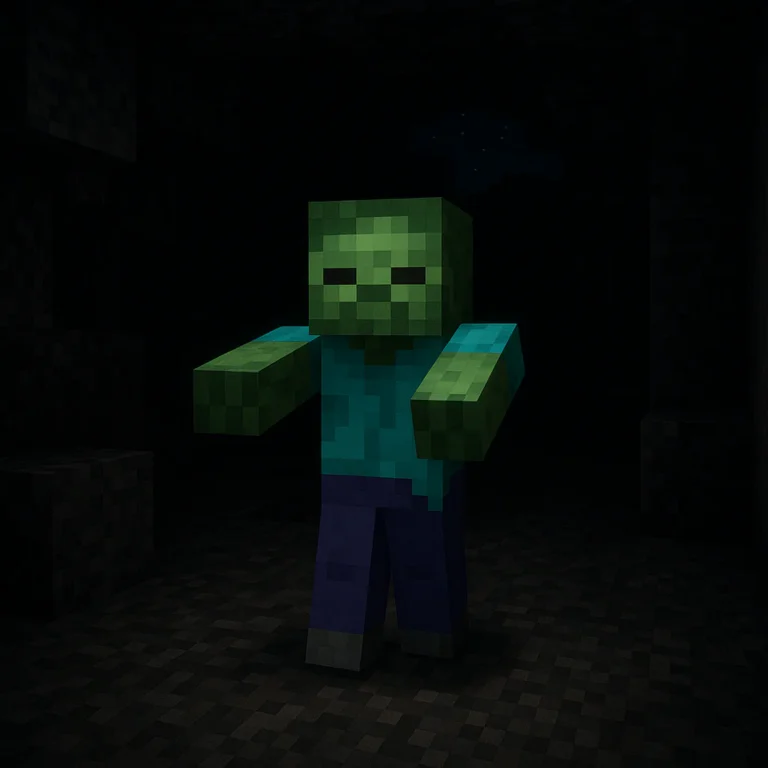
- 4. Zombies: The Door-Busting Horde 🧟
- 5. The Wither: The Ultimate World-Ender 💀
- 6. Rabbits: The Crop-Munching Menace 🥕
- 7. Villagers: Farmers or Faux-Griefers? 🧑 🌾
- 🎮 Impact on Your Minecraft Journey: How Mob Griefing Shapes Gameplay
- 🛠️ Taking Control: How to Change the
mobGriefingGame Rule - ⚖️ Finding Your Balance: Tailoring the Mob Griefing Rule to Your Playstyle
- 🚫 Dispelling Myths: What Mob Griefing Doesn’t Control
- 🗣️ The Community’s Voice: Debates and Preferences on Mob Griefing
- 💡 Advanced Strategies: Mitigating Griefing Even When It’s On
- Conclusion: Our Expert Recommendation on Mob Griefing
- Recommended Links
- FAQ: Your Burning Questions About Mob Griefing Answered
- Reference Links
Conclusion: Our Expert Recommendation on Mob Griefing

Alright, gamers, we’ve journeyed through the chaotic plains and serene valleys of Minecraft’s mobGriefing rule. We’ve seen the explosive tantrums of Creepers, the block-swapping antics of Endermen, and even the humble Villager’s surprising impact on your precious crops. So, after all this, what is better: mobGriefing true or false?
The truth, as often is the case in the vast world of Minecraft, is that “better” is entirely subjective and depends on your personal playstyle, your server’s ethos, and what kind of adventure you’re seeking.
For the Builders and Casual Explorers (and most multiplayer servers): We confidently recommend gamerule mobGriefing false.
- Positives of
false: Uninterrupted creativity, peace of mind for your builds, stress-free farming, and a generally more relaxed experience. It’s fantastic for creative servers, role-playing realms, or simply when you want to unwind without worrying about a stray Ghast fireball obliterating your meticulously crafted Nether hub. For server administrators, it’s often the default choice to prevent player frustration and maintain a stable environment. As one player on the Minecraft Feedback forum put it, “A more granular control over mob behavior would improve gameplay and creativity,” and setting it tofalseis the broadest stroke of that control. - Negatives of
false: It removes a layer of challenge and realism that some players crave. The world feels a little less “alive” when mobs can’t interact with it beyond attacking you. Some automated farms (like Wither farms) might not function as intended.
For the Hardcore Survivalists and Challenge Seekers: We recommend gamerule mobGriefing true.
- Positives of
true: It injects a thrilling dose of unpredictability and danger, forcing you to adapt, build smarter, and truly master your environment. It makes achievements like defeating the Wither feel even more monumental. It’s the “vanilla” experience, as Mojang intended, and for many, it’s the only way to truly play. It encourages strategic thinking and defensive building. - Negatives of
true: The constant threat of destruction can be incredibly frustrating, especially for new players or those who invest heavily in elaborate builds. Crop destruction, Enderman block-stealing, and Creeper craters can feel like a constant uphill battle. It requires more vigilance and defensive planning.
Ultimately, our team at Games Like™ believes in empowering you to tailor your gaming experience. If you’re tired of rebuilding your farm every other day, or if you’re hosting a community server where griefing (even by mobs!) is a no-go, then mobGriefing false is your champion. If you thrive on challenge, enjoy the dynamic unpredictability of a truly wild world, and are ready to face the consequences of every explosive encounter, then mobGriefing true is your calling.
And for those who want the best of both worlds, remember the “Better Mob Griefing Gamerule” mod on CurseForge. It’s a fantastic solution for granular control, allowing you to pick and choose which mob behaviors you want to enable or disable. This truly “fine-tunes mob griefing settings, giving you more control over your Minecraft world,” as the mod’s description highlights.
So, go forth, brave crafters! Choose your path, command your world, and may your blocks be ever safe (or delightfully destructible, depending on your mood)!
Recommended Links
Ready to dive deeper into Minecraft or explore games with similar mechanics? Check out these hand-picked recommendations from our team!
- Minecraft: Java & Bedrock Edition: Amazon.com | Minecraft Official Website
- Minecraft Dungeons Hero Edition: Amazon.com | Xbox Official Website
- Better Mob Griefing Gamerule Mod: CurseForge
- Minecraft: The Official Guide to Survival (Minecraft Guides): Amazon.com
- Minecraft: The Official Combat Handbook (Minecraft Guides): Amazon.com
- 👉 Shop Minecraft Merchandise on: Amazon.com | Mojang Official Store
FAQ: Your Burning Questions About Mob Griefing Answered

Got more questions about those pesky mobs and their environmental impact? We’ve got answers!
Are there any games that have a similar mechanic to mob griefing, but with different rules or consequences?
Absolutely! While Minecraft’s mobGriefing rule is quite iconic, other sandbox and survival games incorporate similar environmental interaction mechanics, often with unique twists.
- Terraria: While not strictly “mob griefing” in the Minecraft sense, Terraria features environmental destruction and alteration, often by bosses or specific events. For instance, the Corruption/Crimson biomes spread and convert blocks, and certain boss attacks can destroy terrain. However, regular mobs generally don’t break player-placed blocks. The consequences are more about biome spread and world corruption rather than random block destruction by individual mobs.
- Starbound: Similar to Terraria, Starbound focuses more on player-driven building and exploration. Mobs primarily attack the player and don’t typically destroy or move blocks in the environment. Environmental hazards exist, but direct mob-induced griefing of player structures is rare, making it a more builder-friendly experience by default.
- Rust: This hardcore survival game features player-vs-player (PvP) base destruction, but environmental griefing by AI mobs is not a core mechanic. Instead, players are the primary source of “griefing” through raiding and demolition.
- Valheim: In Valheim, certain boss attacks can destroy terrain and structures, and some larger creatures like Trolls can smash trees and player-built walls. This adds a dynamic threat to your base, forcing players to build strategically and defensively, much like Minecraft’s
mobGriefing truesetting, but often tied to specific, powerful entities.
What are the benefits of allowing mob griefing in certain game modes or servers?
Enabling mob griefing (true) offers several benefits, especially for specific playstyles and server types:
- Increased Challenge and Realism: It makes the world feel more alive and dangerous, forcing players to adapt and build more robust defenses. This can be incredibly rewarding for survival enthusiasts.
- Enhanced Strategic Depth: Players must consider mob behavior when building, leading to more creative and resilient base designs. You can’t just slap down a dirt hut and expect it to survive a Creeper blast!
- Dynamic World Interaction: The environment constantly changes, creating unique landscapes and challenges. A Ghast’s fireball can open up new paths in the Nether, or a Wither can carve out a massive arena.
- Authentic Vanilla Experience: For many long-time players,
mobGriefing trueis the “intended” way to play Minecraft, preserving the original design philosophy of a challenging survival sandbox. - Specific Farm Mechanics: Some automated farms, particularly those involving Wither destruction or Villager crop harvesting, require mob griefing to be enabled to function correctly.
What are the most popular Minecraft server rules for mob griefing?
On multiplayer servers, the consensus often leans towards disabling mob griefing (gamerule mobGriefing false) to protect player builds and foster a more collaborative, less destructive environment.
- Survival/SMP (Survival Multiplayer) Servers: Most public SMP servers will have
mobGriefing false. This prevents accidental (or intentional) destruction of player bases by Creepers, Endermen, and Ghasts, which can lead to significant player frustration and administrative headaches. - Creative Servers: Always
mobGriefing false. These servers are all about building without limits, and mob interference would defeat the purpose. - Minigame Servers: Typically
mobGriefing false. Environmental destruction would interfere with game mechanics and map integrity. - Hardcore/Anarchy Servers: These are the exceptions! Anarchy servers often have
mobGriefing trueto embrace total chaos and destruction, where anything goes. Hardcore survival servers might also keep ittrueto maximize difficulty. - Role-Playing (RP) Servers: Often
mobGriefing falseto maintain the integrity of towns, cities, and story-driven builds.
Can mob griefing be prevented with certain game mods or plugins?
Absolutely! This is where the Minecraft community’s ingenuity truly shines. If the default true or false isn’t enough, mods and plugins offer granular control.
- Mods (for client-side or modded servers): The Better Mob Griefing Gamerule mod, as discussed earlier, is a prime example. It allows you to toggle specific mob griefing behaviors individually. Want Creepers to explode but not destroy blocks? Want Endermen to pick up blocks but not your blocks? This mod makes it possible. You can find it on platforms like CurseForge.
- Plugins (for server-side, e.g., Spigot/Paper servers): Many server plugins offer advanced griefing protection.
- WorldGuard: A popular plugin that allows server admins to define regions where specific actions (including mob griefing) are allowed or disallowed. You can protect entire areas from Creeper blasts or Enderman block-stealing.
- GriefPrevention: Another widely used plugin that lets players claim land, automatically protecting it from both player and mob griefing.
- Custom Mob Plugins: Some plugins allow admins to modify individual mob behaviors, effectively creating custom griefing rules for each mob type.
Can the Wither break blocks when mob griefing is off?
This is a crucial distinction! No, if gamerule mobGriefing is set to false, the Wither cannot break blocks.
The Wither’s destructive ability, which includes breaking most blocks in its path, is directly tied to the mobGriefing rule. When the rule is false, the Wither will still fire its projectiles and cause explosion effects, but these explosions will not destroy terrain. This is a common strategy for players who want to fight the Wither without devastating their world or who want to build Wither-based farms that rely on the Wither not breaking specific blocks.
How does mob griefing impact gameplay experience in online multiplayer games?
In online multiplayer, mob griefing can be a double-edged sword, profoundly shaping the community and individual player experiences.
- Positive Impact (when
true):- Shared Challenge: Players can bond over overcoming environmental threats together, fostering teamwork and defensive strategies.
- Dynamic World: The world feels more alive and unpredictable, leading to unique stories and emergent gameplay.
- Skill Development: Encourages players to learn advanced building techniques and mob-proofing strategies.
- Negative Impact (when
true):- Frustration and Loss: Accidental destruction of hours of work by a Creeper or Enderman can be incredibly disheartening, leading to players quitting the server.
- Griefing Potential: While intended for mobs, the rule can sometimes be exploited or simply lead to unintended “griefing” by the environment itself, causing conflict among players if shared resources are destroyed.
- Administrative Burden: Server admins often spend significant time rolling back damage or mediating disputes caused by mob griefing.
- Positive Impact (when
false):- Peace of Mind: Players can build and explore without constant fear of environmental destruction, promoting creativity and long-term projects.
- Stable Environments: Servers maintain their integrity, reducing the need for constant repairs and administrative intervention.
- Accessibility: Makes the game more welcoming for new players or those who prefer a less stressful experience.
- Negative Impact (when
false):- Reduced Challenge: Some players find the game too easy or less engaging without the environmental threats.
- Less Dynamic: The world can feel static, with less natural interaction from mobs.
How does mob griefing influence player strategies in open-world games?
Mob griefing, particularly in games like Minecraft, significantly influences player strategies by adding a layer of environmental risk and requiring proactive defense.
- Defensive Architecture: Players learn to build with blast resistance in mind, using materials like obsidian, cobblestone, or reinforced blocks. They’ll incorporate walls, moats, and even underground bases to protect against surface threats.
- Mob-Proofing: Strategies emerge to prevent mobs from spawning near bases (lighting), or to contain them (fences, walls). Players might build Enderman-proof roofs or Creeper-proof entrances.
- Resource Management: The potential for destruction means players need to be more mindful of their resources, perhaps keeping backups of valuable items or building redundant systems.
- Exploration vs. Settlement: Players might be more hesitant to establish permanent bases in dangerous biomes if mob griefing is enabled, opting for safer, more protected areas.
- Farm Design: Automated farms must account for mob interference. For example, a Villager crop farm might need to be fully enclosed to prevent Endermen from stealing blocks or Zombies from breaking doors.
Are there alternatives to mob griefing rules in sandbox games?
Yes, beyond a simple true/false toggle or even granular modded controls, sandbox games employ various alternatives to manage mob-environment interaction:
- Selective Damage Types: Instead of a blanket “griefing” rule, some games might have mobs that only damage specific types of blocks (e.g., only dirt, not stone), or only damage blocks they place.
- Player-Claimed Land Protection: Many multiplayer sandbox games (like Minecraft servers with plugins) allow players to “claim” land, making it immune to any form of griefing, whether by mobs or other players. This shifts the control from a global rule to player-specific protection.
- Environmental Hazards: Instead of mobs directly breaking blocks, the environment itself might pose threats. For example, acid rain that degrades structures over time, or earthquakes that cause random destruction.
- Mob-Specific Abilities: Rather than a general griefing rule, each mob might have unique, hard-coded interactions. A “digger” mob might only dig tunnels, while a “builder” mob might only place specific blocks.
- Difficulty Scaling: Some games tie environmental destruction to difficulty settings. On easier modes, mobs might not grief, while on harder modes, they become more destructive.
Reference Links
Here are the sources and official pages that informed our deep dive into Minecraft’s mob griefing rule:
- Minecraft Official Website: https://www.minecraft.net/
- Mojang Studios (Developer of Minecraft): https://www.mojang.com/
- CurseForge (Better Mob Griefing Gamerule Mod): https://www.curseforge.com/minecraft/mc-mods/better-mobgriefing-gamerule
- Minecraft Feedback (Break mob griefing into multiple game rules): https://feedback.minecraft.net/hc/en-us/community/posts/30640617544333-Break-mob-griefing-into-multiple-game-rules
- Minecraft Feedback (VILLAGERS AND MOB GRIEFING): https://feedback.minecraft.net/hc/en-us/community/posts/360060374851-VILLAGERS-AND-MOB-GRIEFING
- Minecraft Wiki (Mob Griefing): https://minecraft.fandom.com/wiki/Mob_griefing