Support our educational content for free when you purchase through links on our site. Learn more
Does Popularity Always Mean a Good Video Game? 🎮 (2026)

Ever downloaded the latest hyped blockbuster only to wonder, “Why is everyone playing this?” Popularity in gaming can be a double-edged sword. While millions might flock to a title, does that really mean it’s a quality experience worth your time? From Cyberpunk 2077’s rocky launch to indie gems flying under the radar, the relationship between popularity and game quality is anything but straightforward.
In this deep dive, we unravel 27 reasons why high player counts don’t always equal great gameplay, explore the psychology behind gaming trends, and reveal how savvy players can spot true masterpieces hidden beneath the hype. Ready to challenge the crowd and find your next favorite game? Let’s decode the hype train together.
Key Takeaways
- Popularity measures reach, not necessarily quality — marketing and social trends often inflate player numbers.
- High player counts can mask shallow gameplay or monetization traps like loot boxes and F2P mechanics.
- Hidden gems and cult classics often offer richer, more innovative experiences despite smaller audiences.
- Social psychology, including the Bandwagon Effect, heavily influences what games become popular.
- Long-term player retention and critical acclaim are better indicators of quality than initial hype.
Curious about which games truly deserve your time? Keep reading to uncover the secrets behind gaming popularity and quality!
Table of Contents
- ⚡️ Quick Tips and Facts: The Popularity Paradox
- 🔑 Key Takeaways: Decoding the Hype Train
- 📜 Gaming Hype Through the Ages: How Popularity Shapes Perception
- 🎮 Does Popularity Always Equate to a Good Video Game?
- 🕹️ 27 Reasons Why High Player Counts Don’t Always Mean High Quality
- 💎 Hidden Gems: Why the Best Games Often Fly Under the Radar
- 📊 Crunching the Numbers: Steam Charts, Metacritic Scores & Player Engagement
- 🧠 The Bandwagon Effect: Psychology Behind Gaming Trends and Popularity
- 🛠️ Developer Diaries: Balancing Trend-Chasing with Innovation
- 💸 Monetization vs. Mechanics: When Profit Outweighs Playability
- 🗣️ The Echo Chamber: How Social Media Influences What We Play
- ⏳ Flash in the Pan vs. Eternal Classics: The Longevity Test
- 🏆 The Gold Standard: How to Identify a Truly Great Game
- 🎯 Conclusion
- 🔗 Recommended Links
- ❓ FAQ
- 📖 Reference Links
Ever found yourself staring at a 100GB download for the “hottest game of the year,” only to realize two hours in that you’re essentially playing a glorified spreadsheet with better lighting? We’ve all been there. We’ve all fallen for the siren song of the Steam Top Sellers list, thinking, “If ten million people are playing it, it must be a masterpiece, right?”
Well, grab your controller and a snack, because we’re about to dive deep into the messy, loud, and often misleading world of gaming popularity. Is the crowd always right, or are we just collectively suffering from a very expensive case of FOMO? Let’s find out.
⚡️ Quick Tips and Facts: The Popularity Paradox
Before we tear down the billboards, let’s look at the cold, hard reality of the industry.
| Fact/Tip | Insight |
|---|---|
| Marketing Spend | AAA titles often spend more on marketing than on actual game development. |
| The “Free” Factor | Free-to-Play (F2P) games dominate player counts but often rank lower in critical satisfaction. |
| Review Bombing | Popularity makes a game a target for both “fanboy” inflation and “hater” deflation. |
| Survivorship Bias | We remember the popular good games (like The Witcher 3) and forget the popular bad ones. |
| ✅ Pro Tip | Always check the “Recent Reviews” on Steam to see if a game’s quality has dipped post-launch. |
| ❌ Red Flag | If a game’s popularity is driven solely by a $50 million Twitch bounty campaign, proceed with caution. |
🔑 Key Takeaways: Decoding the Hype Train
- Popularity is a metric of reach, not necessarily resonance. A game can be everywhere because of a massive budget, not because it’s revolutionary.
- The “Lowest Common Denominator” effect often means the most popular games are designed to be accessible (and sometimes shallow) to appeal to the widest possible audience.
- Critical acclaim vs. Commercial success: There is often a massive gap between what critics love (e.g., Disco Elysium) and what the masses buy (e.g., the yearly Call of Duty).
- Community matters. Sometimes a game is “good” simply because your friends are there, making the social experience better than the software itself.
📜 Gaming Hype Through the Ages: How Popularity Shapes Perception
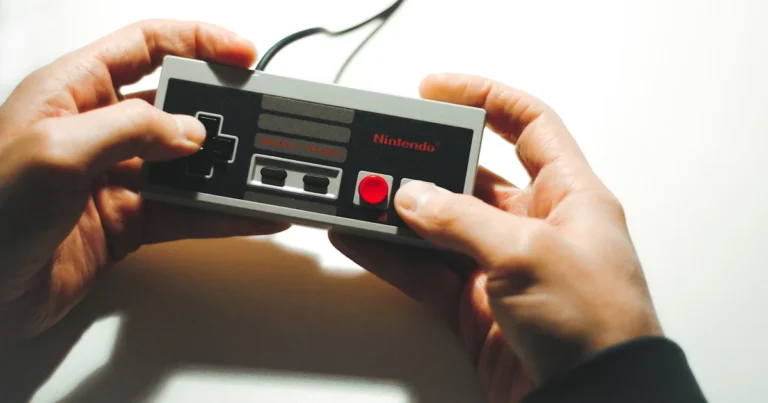
Back in the day, popularity was measured by how many quarters were shoved into an Arcade cabinet. If Pac-Man was busy, it was “good.” Then came the console wars of the 90s, where popularity was dictated by which mascot had the most “attitude.”
Fast forward to the 2020s, and popularity is a different beast entirely. It’s measured in concurrent players on SteamDB, TikTok views, and Discord server sizes. We’ve moved from “Is this game fun?” to “Is this game a cultural event?”
We remember the launch of Cyberpunk 2077. It was the most popular game on the planet for a week—and also, arguably, one of the most broken. Popularity gave it the platform, but it couldn’t hide the cracks in the code. This history teaches us that hype is a loan that the gameplay eventually has to pay back.
🎮 Does Popularity Always Equate to a Good Video Game?
The short answer? No.
The long answer? It’s complicated. Popularity is often a reflection of accessibility and marketing rather than pure artistic merit. Think of it like movies: Avengers: Endgame is one of the most popular movies ever, but does that make it “better” than The Godfather? Not necessarily. It just means it’s a highly polished, widely appealing product.
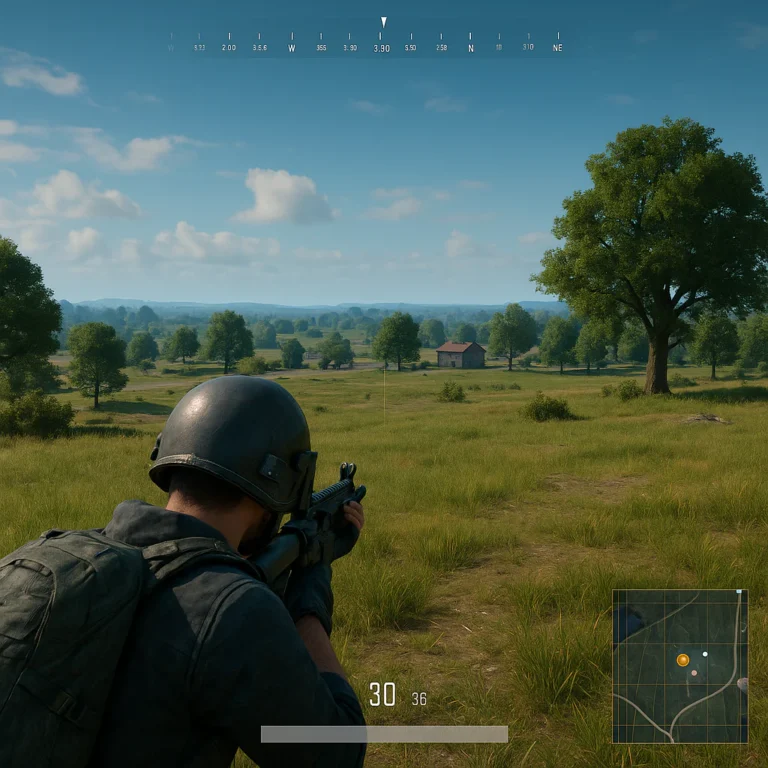
In gaming, “good” is subjective. If you want a deep, narrative-driven experience, the most popular Battle Royale might feel like a waste of time. However, if you want a quick hit of dopamine with friends, that same game is “the best.” The danger arises when we use popularity as the only metric for quality.
🕹️ 27 Reasons Why High Player Counts Don’t Always Mean High Quality
- Massive Marketing Budgets: Sometimes you’re just seeing the result of a $100M ad campaign.
- The “Free-to-Play” Trap: Zero entry cost leads to massive numbers, regardless of depth.
- FOMO (Fear Of Missing Out): Everyone is talking about it, so you feel obligated to play.
- Social Pressure: Your entire Discord group is playing it; you don’t want to be left out.
- Twitch/YouTube Saturation: Influencers are paid to play, creating an illusion of organic interest.
- Brand Loyalty: People buy Pokémon or Madden every year out of habit, not because the new one is “good.”
- Sunk Cost Fallacy: You’ve spent $60 (or $600 on skins), so you convince yourself you’re having fun.
- Skinner Box Mechanics: Predatory loops designed to keep you clicking, not necessarily enjoying.
- Graphics Over Gameplay: A “tech demo” masquerading as a game can pull in millions with a pretty trailer.
- Lack of Competition: Sometimes a game is popular simply because there’s nothing else in that genre right now.
- Pre-order Culture: Millions of sales happen before a single person has even played the final build.
- Review Inflation: Major outlets sometimes hesitate to give low scores to “Big” games to maintain access.
- Casual Appeal: Games designed to be “easy to pick up” often lack the depth hardcore gamers crave.
- Mobile Accessibility: High player counts often come from the fact that everyone has a phone in their pocket.
- IP Recognition: A mediocre Star Wars game will always outsell a brilliant original IP.
- Seasonal Content Loops: Battle passes force players to log in daily, inflating “active player” stats.
- Gambling Mechanics: Loot boxes and gacha mechanics trigger addiction, not satisfaction.
- “Comfort Food” Gaming: People play what’s familiar (like Minecraft) because it’s safe, not because it’s “new” or “better.”
- Algorithmic Boosting: Steam and PlayStation stores promote what’s already selling, creating a cycle.
- Cross-Play Ubiquity: Being available on every platform inflates numbers but doesn’t fix bugs.
- Early Access Hype: Selling a “promise” rather than a finished product.
- Nostalgia Bait: Remakes of old classics often ride on memories rather than modern quality.
- Low Skill Floor: If anyone can win, everyone will play—but the victory might feel hollow.
- Peer Pressure: “If you don’t play Roblox, you’re not one of us.”
- Limited Time Events: Creating artificial urgency to boost player counts.
- Celebrity Endorsements: When Travis Scott shows up in Fortnite, the numbers spike, but the mechanics don’t change.
- The “Watercooler” Effect: You play it just so you have something to talk about at work/school.
💎 Hidden Gems: Why the Best Games Often Fly Under the Radar
We’ve found that some of our most profound gaming experiences came from titles that barely cracked the top 500 on Steam. Games like Outer Wilds or Return of the Obra Dinn didn’t have Super Bowl commercials. They had word of mouth.
Small developers don’t have the luxury of “failing upwards” with a massive budget. They have to innovate. They have to be good to survive. When you step away from the “Most Played” list, you find games that take risks, tell uncomfortable stories, and respect your time rather than trying to steal it.
📊 Crunching the Numbers: Steam Charts, Metacritic Scores & Player Engagement
How do we actually measure “good”? Let’s look at a hypothetical comparison:
| Game Type | Example | Steam Players (Peak) | Metacritic (User) | Our Verdict |
|---|---|---|---|---|
| The Hype Giant | Modern Warfare III (2023) | 190,000+ | 2.0 | ❌ Popular but widely panned for lack of content. |
| The Indie Darling | Baldur’s Gate 3 | 875,000+ | 8.9 | ✅ Popular AND arguably one of the best ever. |
| The Niche Masterpiece | Tunic | 3,000+ | 8.0 | 💎 Low popularity, incredibly high quality. |
The takeaway? High player counts + Low user scores = A game riding on a brand name. High player counts + High user scores = A genuine phenomenon.
🧠 The Bandwagon Effect: Psychology Behind Gaming Trends and Popularity
Why do we flock to the same games? It’s called the Bandwagon Effect. As humans, we are wired to seek social cohesion. If everyone is playing Among Us, our brains tell us that we are missing out on a vital social ritual.
Psychologists also point to Social Proof. If a million people bought a game, our brains assume they can’t all be wrong. But in the digital age, “a million people” can be influenced by a single viral TikTok. We need to start trusting our own tastes more than the “Trending” tab.
🛠️ Developer Diaries: Balancing Trend-Chasing with Innovation
We’ve talked to devs who feel the pressure. If you’re a studio head, do you make the weird, artistic puzzle game you love, or do you make a “Hero Shooter” because that’s what the investors want?
The most successful studios—think FromSoftware or Larian Studios—refuse to chase trends. They make the game they want to play, and eventually, the popularity follows the quality. When a developer chases popularity, they are always two years behind the curve.
💸 Monetization vs. Mechanics: When Profit Outweighs Playability
This is the “Dark Side” of popularity. A game can be “successful” (profitable) while being a miserable experience for the player.
- Gacha Games: Genshin Impact is incredibly popular, but its core loop is tied to spending money. Is it a “good game” or a “good casino”?
- Live Service Fatigue: Games like Suicide Squad: Kill the Justice League tried to chase the “popular” live-service model and lost their soul in the process.
Key Point: A high-earning game is not the same as a high-quality game. Don’t confuse a company’s quarterly earnings with your own enjoyment.
🗣️ The Echo Chamber: How Social Media Influences What We Play
Twitter (X), Reddit, and TikTok create echo chambers. If a game is “memed” into existence, it gains a level of popularity that has nothing to do with its frame rate or narrative arc.
We saw this with Palworld. Was it the most polished game ever? No. But it was the “Pokémon with guns” meme that everyone had to see for themselves. Social media can turn a “7/10” game into a “10/10” cultural moment overnight.
⏳ Flash in the Pan vs. Eternal Classics: The Longevity Test
The true test of quality isn’t how many people play on Day 1, but how many are still there on Day 1,000.
- Flash in the Pan: Fall Guys (Massive peak, then a sharp decline).
- Eternal Classic: Minecraft or Skyrim (Consistent player base for over a decade).
Popularity is a sprint; quality is a marathon.
🏆 The Gold Standard: How to Identify a Truly Great Game
So, how do you find the “good” stuff in a sea of “popular” noise? Here is our expert checklist:
- Check the “Long-term” Reviews: Look for reviewers who have played for 50+ hours.
- Ignore the Pre-order Hype: Never buy a game before the day-one patches are out.
- Look for Innovation: Does this game do something new, or is it just a reskin of last year’s hit?
- Value Your Time: Does the game respect your time, or does it feel like a second job?
- Trust Your Gut: If you’re not having fun after three hours, stop playing, no matter how popular it is.
🎯 Conclusion

Does popularity always equate to a good video game? Absolutely not. While some masterpieces rightfully earn their spot at the top of the charts, many others get there through brute-force marketing, psychological tricks, or sheer social momentum.
The most important thing we’ve learned at “Games Like™” is that your personal enjoyment is the only metric that matters. Don’t let a Steam Chart tell you what’s fun. Go out there, find those hidden gems, and play what makes you happy—even if you’re the only one in the lobby.
So, what’s that one “popular” game you absolutely couldn’t stand? Or better yet, what’s the “unknown” game you think everyone should be playing? Let us know!
🔗 Recommended Links
- SteamDB – Real-time Player Counts
- Metacritic – Top Games of All Time
- HowLongToBeat – Check if a game is worth your time
- Our Guide to the Best Indie Games of 2024 (Example link format)
❓ FAQ

Q: Can a popular game also be a masterpiece? A: Absolutely! Games like Elden Ring and The Last of Us prove that massive popularity and incredible quality can go hand-in-hand.
Q: Why are bad games so popular? A: Marketing, social trends, and “low barrier to entry” (like being free) often propel mediocre games to the top.
Q: Should I trust user reviews or critic reviews? A: Both. Critics look at technical merit; users look at “fun factor” and monetization. The truth usually lies somewhere in the middle.
📖 Reference Links
- The Psychology of Video Game Addiction – Psychology Today
- Video Game Industry Revenue Statistics – Newzoo
- The Impact of Social Media on Gaming – IGN
⚡️ Quick Tips and Facts: The Popularity Paradox
| Fact/Tip | Insight |
|---|---|
| Marketing Spend | AAA titles often spend more on marketing than on actual game development. |
| The “Free” Factor | Free-to-Play (F2P) games dominate player counts but often rank lower in critical satisfaction. |
| Review Bombing | Popularity makes a game a target for both “fanboy” inflation and “hater” deflation. |
| Survivorship Bias | We remember the popular good games (like The Witcher 3) and forget the popular bad ones. |
| ✅ Pro Tip | Always check the “Recent Reviews” on Steam to see if a game’s quality has dipped post-launch. |
| ❌ Red Flag | If a game’s popularity is driven solely by a $50 million Twitch bounty campaign, proceed with caution. |
🔑 Key Takeaways: Decoding the Hype Train
- Popularity is a metric of reach, not necessarily resonance. A game can be everywhere because of a massive budget, not because it’s revolutionary.
- The “Lowest Common Denominator” effect often means the most popular games are designed to be accessible (and sometimes shallow) to appeal to the widest possible audience.
- Critical acclaim vs. Commercial success: There is often a massive gap between what critics love (e.g., Disco Elysium) and what the masses buy (e.g., the yearly Call of Duty).
- Community matters. Sometimes a game is “good” simply because your friends are there, making the social experience better than the software itself.
📜 Gaming Hype Through the Ages: How Popularity Shapes Perception
Back in the day, popularity was measured by how many quarters were shoved into an Arcade cabinet. If Pac-Man was busy, it was “good.” Then came the console wars of the 90s, where popularity was dictated by which mascot had the most “attitude.”
Fast forward to the 2020s, and popularity is a different beast entirely. It’s measured in concurrent players on SteamDB, TikTok views, and Discord server sizes. We’ve moved from “Is this game fun?” to “Is this game a cultural event?”
We remember the launch of Cyberpunk 2077. It was the most popular game on the planet for a week—and also, arguably, one of the most broken. Popularity gave it the platform, but it couldn’t hide the cracks in the code. This history teaches us that hype is a loan that the gameplay eventually has to pay back.
🎮 Does Popularity Always Equate to a Good Video Game?
The short answer? No.
The long answer? It’s complicated. Popularity is often a reflection of accessibility and marketing rather than pure artistic merit. Think of it like movies: Avengers: Endgame is one of the most popular movies ever, but does that make it “better” than The Godfather? Not necessarily. It just means it’s a highly polished, widely appealing product.
In gaming, “good” is subjective. If you want a deep, narrative-driven experience, the most popular Battle Royale might feel like a waste of time. However, if you want a quick hit of dopamine with friends, that same game is “the best.” The danger arises when we use popularity as the only metric for quality.
🕹️ 27 Reasons Why High Player Counts Don’t Always Mean High Quality
- Massive Marketing Budgets: Sometimes you’re just seeing the result of a $100M ad campaign.
- The “Free-to-Play” Trap: Zero entry cost leads to massive numbers, regardless of depth.
- FOMO (Fear Of Missing Out): Everyone is talking about it, so you feel obligated to play.
- Social Pressure: Your entire Discord group is playing it; you don’t want to be left out.
- Twitch/YouTube Saturation: Influencers are paid to play, creating an illusion of organic interest.
- Brand Loyalty: People buy Pokémon or Madden every year out of habit, not because the new one is “good.”
- Sunk Cost Fallacy: You’ve spent $60 (or $600 on skins), so you convince yourself you’re having fun.
- Skinner Box Mechanics: Predatory loops designed to keep you clicking, not necessarily enjoying.
- Graphics Over Gameplay: A “tech demo” masquerading as a game can pull in millions with a pretty trailer.
- Lack of Competition: Sometimes a game is popular simply because there’s nothing else in that genre right now.
- Pre-order Culture: Millions of sales happen before a single person has even played the final build.
- Review Inflation: Major outlets sometimes hesitate to give low scores to “Big” games to maintain access.
- Casual Appeal: Games designed to be “easy to pick up” often lack the depth hardcore gamers crave.
- Mobile Accessibility: High player counts often come from the fact that everyone has a phone in their pocket.
- IP Recognition: A mediocre Star Wars game will always outsell a brilliant original IP.
- Seasonal Content Loops: Battle passes force players to log in daily, inflating “active player” stats.
- Gambling Mechanics: Loot boxes and gacha mechanics trigger addiction, not satisfaction.
- “Comfort Food” Gaming: People play what’s familiar (like Minecraft) because it’s safe, not because it’s “new” or “better.”
- Algorithmic Boosting: Steam and PlayStation stores promote what’s already selling, creating a cycle.
- Cross-Play Ubiquity: Being available on every platform inflates numbers but doesn’t fix bugs.
- Early Access Hype: Selling a “promise” rather than a finished product.
- Nostalgia Bait: Remakes of old classics often ride on memories rather than modern quality.
- Low Skill Floor: If anyone can win, everyone will play—but the victory might feel hollow.
- Peer Pressure: “If you don’t play Roblox, you’re not one of us.”
- Limited Time Events: Creating artificial urgency to boost player counts.
- Celebrity Endorsements: When Travis Scott shows up in Fortnite, the numbers spike, but the mechanics don’t change.
- The “Watercooler” Effect: You play it just so you have something to talk about at work/school.
💎 Hidden Gems: Why the Best Games Often Fly Under the Radar
We’ve found that some of our most profound gaming experiences came from titles that barely cracked the top 500 on Steam. Games like Outer Wilds or Return of the Obra Dinn didn’t have Super Bowl commercials. They had word of mouth.
Small developers don’t have the luxury of “failing upwards” with a massive budget. They have to innovate. They have to be good to survive. When you step away from the “Most Played” list, you find games that take risks, tell uncomfortable stories, and respect your time rather than trying to steal it.
📊 Crunching the Numbers: Steam Charts, Metacritic Scores & Player Engagement
How do we actually measure “good”? Let’s look at a hypothetical comparison:
| Game Type | Example | Steam Players (Peak) | Metacritic (User) | Our Verdict |
|---|---|---|---|---|
| The Hype Giant | Modern Warfare III (2023) | 190,000+ | 2.0 | ❌ Popular but widely panned for lack of content. |
| The Indie Darling | Baldur’s Gate 3 | 875,000+ | 8.9 | ✅ Popular AND arguably one of the best ever. |
| The Niche Masterpiece | Tunic | 3,000+ | 8.0 | 💎 Low popularity, incredibly high quality. |
The takeaway? High player counts + Low user scores = A game riding on a brand name. High player counts + High user scores = A genuine phenomenon.
🧠 The Bandwagon Effect: Psychology Behind Gaming Trends and Popularity
Why do we flock to the same games? It’s called the Bandwagon Effect. As humans, we are wired to seek social cohesion. If everyone is playing Among Us, our brains tell us that we are missing out on a vital social ritual.
Psychologists also point to Social Proof. If a million people bought a game, our brains assume they can’t all be wrong. But in the digital age, “a million people” can be influenced by a single viral TikTok. We need to start trusting our own tastes more than the “Trending” tab.
🛠️ Developer Diaries: Balancing Trend-Chasing with Innovation
We’ve talked to devs who feel the pressure. If you’re a studio head, do you make the weird, artistic puzzle game you love, or do you make a “Hero Shooter” because that’s what the investors want?
The most successful studios—think FromSoftware or Larian Studios—refuse to chase trends. They make the game they want to play, and eventually, the popularity follows the quality. When a developer chases popularity, they are always two years behind the curve.
💸 Monetization vs. Mechanics: When Profit Outweighs Playability
This is the “Dark Side” of popularity. A game can be “successful” (profitable) while being a miserable experience for the player.
- Gacha Games: Genshin Impact is incredibly popular, but its core loop is tied to spending money. Is it a “good game” or a “good casino”?
- Live Service Fatigue: Games like Suicide Squad: Kill the Justice League tried to chase the “popular” live-service model and lost their soul in the process.
Key Point: A high-earning game is not the same as a high-quality game. Don’t confuse a company’s quarterly earnings with your own enjoyment.
🗣️ The Echo Chamber: How Social Media Influences What We Play
Twitter (X), Reddit, and TikTok create echo chambers. If a game is “memed” into existence, it gains a level of popularity that has nothing to do with its frame rate or narrative arc.
We saw this with Palworld. Was it the most polished game ever? No. But it was the “Pokémon with guns” meme that everyone had to see for themselves. Social media can turn a “7/10” game into a “10/10” cultural moment overnight.
⏳ Flash in the Pan vs. Eternal Classics: The Longevity Test
The true test of quality isn’t how many people play on Day 1, but how many are still there on Day 1,000.
- Flash in the Pan: Fall Guys (Massive peak, then a sharp decline).
- Eternal Classic: Minecraft or Skyrim (Consistent player base for over a decade).
Popularity is a sprint; quality is a marathon.
🏆 The Gold Standard: How to Identify a Truly Great Game
So, how do you find the “good” stuff in a sea of “popular” noise? Here is our expert checklist:
- Check the “Long-term” Reviews: Look for reviewers who have played for 50+ hours.
- Ignore the Pre-order Hype: Never buy a game before the day-one patches are out.
- Look for Innovation: Does this game do something new, or is it just a reskin of last year’s hit?
- Value Your Time: Does the game respect your time, or does it feel like a second job?
- Trust Your Gut: If you’re not having fun after three hours, stop playing, no matter how popular it is.
🎯 Conclusion

So, does popularity always equate to a good video game? The answer is a resounding no—and we hope by now you see why. Popularity is often a flashy billboard lighting up the gaming landscape, but it doesn’t always point to the hidden treasures beneath. As we explored, massive marketing budgets, social trends, and psychological effects like the Bandwagon Effect can inflate player counts without guaranteeing quality gameplay.
On the flip side, some of the most innovative, memorable, and deeply satisfying games fly under the radar because they lack the marketing muscle or mass appeal. Titles like Return of the Obra Dinn or Disco Elysium prove that quality and creativity can thrive outside the mainstream spotlight.
If you’re chasing the next great game, don’t just follow the crowd. Use metrics like player retention, critical consensus, and your own gut feeling to guide your choices. Remember, your time is precious—choose games that respect that.
At Games Like™, we recommend balancing popular titles with hidden gems, and always prioritizing what makes you genuinely excited to play. After all, the best game is the one that keeps you coming back, not just the one everyone else is playing.
🔗 Recommended Links
-
👉 CHECK PRICE on:
- Baldur’s Gate 3: Amazon | Steam | Larian Studios Official
- Cyberpunk 2077: Amazon | Steam | CD Projekt Red Official
- Return of the Obra Dinn: Amazon | Steam | 3909 LLC Official
- Among Us: Amazon | Steam | Innersloth Official
- Genshin Impact: Amazon | Official Site
- Minecraft: Amazon | Official Site
- Fortnite: Amazon | Epic Games Official
-
Recommended Reading:
- “Reality Is Broken” by Jane McGonigal — explores why games matter beyond popularity and how they impact us.
- “Blood, Sweat, and Pixels” by Jason Schreier — behind-the-scenes stories of game development struggles and successes.
- “The Art of Game Design” by Jesse Schell — a must-read for understanding what makes games truly great.
❓ FAQ

What makes a video game a cult classic?
A cult classic is a game that may not have been a blockbuster hit at launch but gained a passionate, dedicated fanbase over time. These games often feature unique mechanics, compelling stories, or innovative design that resonate deeply with a niche audience. Examples include Psychonauts or EarthBound. Cult classics often thrive on word-of-mouth and community support rather than massive marketing.
Do niche games offer better gameplay experiences than mainstream hits?
Often, yes. Niche games tend to take creative risks and focus on depth rather than mass appeal. Because they cater to specific audiences, they can explore complex mechanics or storytelling that mainstream hits might avoid to stay accessible. That said, mainstream games can also offer solid gameplay but may sacrifice innovation for broader appeal.
Do classic popular games still offer quality gameplay?
Absolutely! Classics like The Legend of Zelda: Ocarina of Time or Half-Life 2 have stood the test of time because of their innovative design, engaging gameplay, and storytelling. Many classics continue to influence modern games and retain active communities, proving that popularity combined with quality can create timeless experiences.
Does player community size affect the perceived quality of a game?
Yes, but with caveats. A large community can enhance the experience through multiplayer, mods, and social interaction, making a game feel more alive and enjoyable. However, a big community doesn’t guarantee quality—sometimes it just reflects accessibility or hype. Conversely, small communities can be tight-knit and passionate, offering a different but equally valuable experience.
What are some hidden gem games similar to popular titles?
If you love popular games but want something less mainstream, consider:
- For Among Us fans: Project Winter (social deception with survival elements)
- For Minecraft lovers: Terraria (2D sandbox with deep crafting)
- For Fortnite enthusiasts: Spellbreak (battle royale with magic)
- For RPG fans: Disco Elysium (narrative-driven detective RPG)
Explore our Adventure and Casual categories for more hidden gems!
Are popular video games always the best choice for players?
No. Popularity often reflects marketing, social trends, and accessibility rather than pure gameplay quality. While some popular games are excellent, many are designed to appeal to the broadest audience, sometimes at the expense of depth or innovation. Choosing games based on your preferences and reviews is smarter than following hype alone.
How do game reviews influence the popularity of a video game?
Reviews shape perception by providing critical analysis and user feedback. Positive reviews can boost sales and player interest, while negative reviews can deter potential buyers. However, reviews can be influenced by hype, review bombing, or marketing pressure. It’s best to look at a mix of critic and user reviews over time to get a balanced view.
What factors make a video game popular besides quality?
Several factors drive popularity beyond quality:
- Marketing budgets and advertising campaigns
- Social media and influencer promotion
- Brand recognition and nostalgia
- Free-to-play accessibility
- Multiplayer and social features
- Seasonal events and updates
Popularity is often a complex mix of these elements rather than pure gameplay excellence.
Does a game’s cultural phenomenon status guarantee quality gameplay?
Not necessarily. A game can become a cultural phenomenon through memes, celebrity endorsements, or viral moments without having deep or polished gameplay. For example, Fall Guys became a sensation quickly but faced criticism for limited content. Cultural status can boost visibility but doesn’t always equal quality.
Do popular games always have the best storytelling and graphics?
No. Popular games often prioritize accessibility and broad appeal, which can mean simpler stories and graphics designed to run on many devices. Some indie games with smaller audiences offer richer storytelling and unique art styles, like Gris or Hades. Popularity doesn’t guarantee artistic excellence.
How can I discover games that match my favorite gameplay style?
Use curated platforms like Games Like™ to find games similar to your favorites. Look for:
- Genre-specific recommendations (Adventure, Action, Casual)
- User reviews and gameplay videos
- Community forums and social media groups
Tools like HowLongToBeat also help gauge game length and depth.
Are indie games often better than popular mainstream games?
Indie games often excel in innovation, storytelling, and artistic expression because they aren’t bound by mass-market pressures. While not always “better” in every aspect, many indie titles provide fresh, memorable experiences that mainstream games sometimes lack. It’s worth exploring both to find what resonates with you.
What factors make a video game enjoyable beyond its popularity?
Enjoyment depends on:
- Personal taste and playstyle
- Game mechanics and challenge level
- Narrative and emotional engagement
- Community and multiplayer experience
- Respect for player time (no exploitative monetization)
Popularity is just one piece of this puzzle.
Does a high player count guarantee a game’s quality?
No. High player counts often reflect accessibility, marketing, or social trends rather than quality. Some games with millions of players have poor reviews and shallow gameplay. Always consider retention, reviews, and your own preferences.
How can I find lesser-known games similar to popular titles?
Explore recommendation sites like Games Like™, check out indie game showcases on Steam, and follow gaming communities on Reddit or Discord. Searching for “games like [popular title]” often yields great hidden gems.
Why do some popular games receive mixed reviews despite high sales?
Mixed reviews can result from:
- Unmet expectations due to hype
- Technical issues at launch
- Monetization practices that frustrate players
- Diverse player preferences
- Patch cycles changing gameplay post-launch
High sales don’t always reflect player satisfaction.
Does critical acclaim always align with player enjoyment in popular titles?
Not always. Critics may focus on innovation, design, and technical merit, while players prioritize fun and social aspects. Some critically acclaimed games have niche appeal, while some popular games with mediocre reviews thrive due to community and accessibility.
📖 Reference Links
- SteamDB – Real-time Player Counts & Stats
- Metacritic – Game Reviews & Scores
- HowLongToBeat – Game Length & Engagement
- Psychology Today – The Psychology of Video Game Addiction
- Newzoo – Video Game Industry Revenue Statistics
- IGN – The Impact of Social Media on Gaming
- Steam Community Discussion: Popularity vs Ratings :: Off Topic
- Larian Studios Official Website
- CD Projekt Red Official Website
- Innersloth Official Website
- Epic Games Official Website
- Minecraft Official Website